
When is replacement worth considering?
Replacement is worth considering when a retaining wall has widespread movement, damaged structural material, failing support, or a layout that no longer fits the property. A small surface defect does not always require a new wall, but a leaning or bulging face needs more than a cosmetic assumption. Soil loss or sinking paving above can indicate that the problem extends beyond the visible wall. Delaying an assessment may allow more of the surrounding area to be affected. We discuss the symptoms, wall history, and current use before defining the replacement scope. The goal is to address the cause rather than reproduce a failing arrangement.
Why does the cause of failure matter?
The cause of failure matters because a new wall can develop the same problem if drainage, weak ground, or excess loading is left unchanged. Movement may follow blocked water paths, settlement, inadequate reinforcement, or changes to the property above the wall. A larger driveway or added fill can alter conditions years after construction. Simply swapping the visible material may miss those changes. We review what the wall retains, how water reaches it, and whether nearby use has changed. Where the condition calls for engineering, that review should guide the replacement design and construction sequence before removal begins.
How is an old wall removed safely?
Old wall removal needs a sequence that accounts for retained soil, nearby structures, access, and the condition of the existing face. Removing support without a plan can disturb the ground above or expose an unstable edge. The work may require temporary measures or staged excavation depending on the site. Heavy material also needs room for handling and disposal. We discuss the surrounding driveway, garden, building, or business operations before setting the scope. If the wall shows active movement or poses an immediate hazard, keep people and vehicles away from the area and seek appropriate urgent assessment rather than attempting to dismantle it yourself.
Can existing stone or blocks be reused?
Existing stone or blocks may be reusable when their condition and dimensions suit the new wall design. Reuse is not guaranteed simply because the material looks intact from the front. Cracks, weathering, damaged connections, or an incompatible product system can limit what should be retained. Sorting and handling also take time, so reuse does not always reduce the total project cost. We assess material suitability alongside the new layout and drainage requirements. Sound armour stone may offer a different reuse opportunity from damaged segmental units. The estimate should state the assumptions about salvage so removal does not reveal an unexpected gap in the material plan.
Should replacement include new drainage?
Replacement should include a review of drainage even when the main visible problem appears to be the wall face. Excavation provides an opportunity to identify unsuitable backfill, blocked outlets, or water arriving from elsewhere on the property. Rebuilding around an unresolved drainage problem can shorten the value of the new work. The new plan should address both incidental water behind the wall and surface runoff from roofs, paving, or slopes. We discuss the intended discharge route and any wider grading changes. Drainage components should be part of the defined scope rather than an optional detail added after the new wall is in place.
Can the wall type or layout change during replacement?
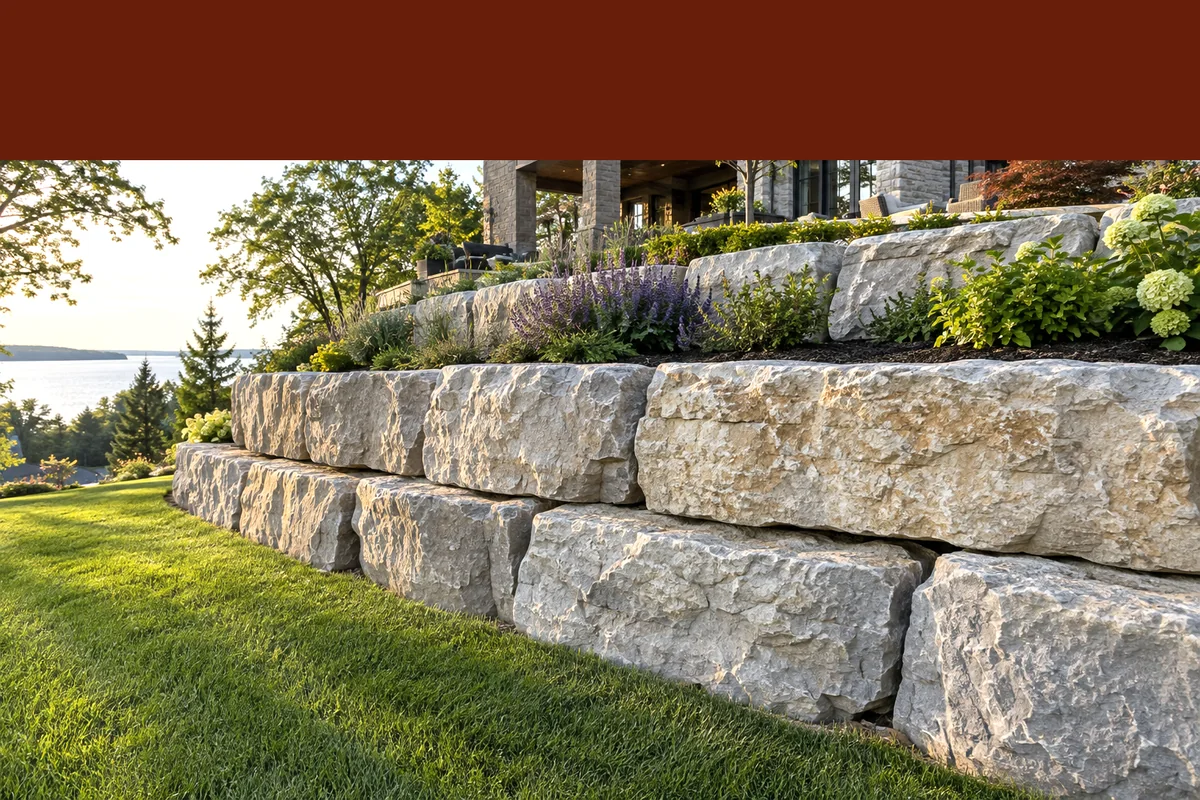
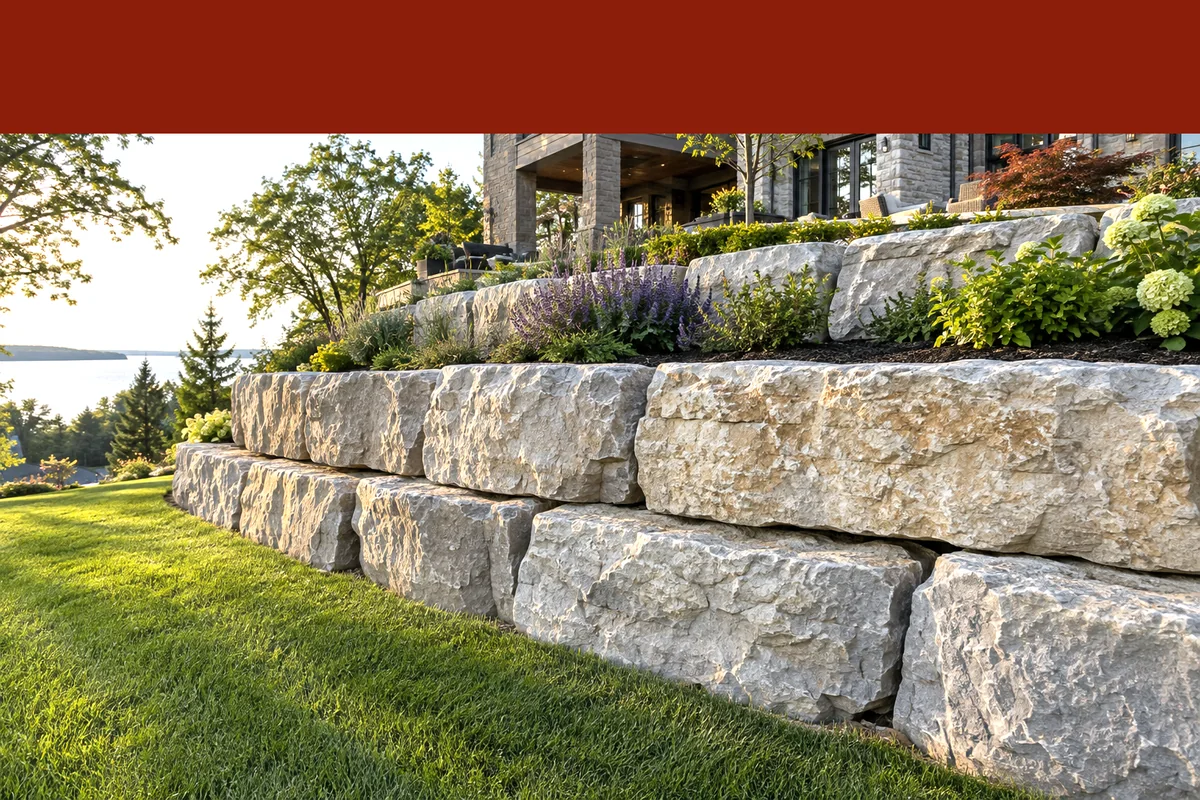
A replacement project can change the wall material or layout when the site and approvals allow it. A failing single wall might become a terraced arrangement, or a different system may better suit restricted access or commercial loading. Those changes need to be designed before demolition because the new footprint may differ from the old one. Boundaries, services, and nearby paving can limit the options. We compare armour stone, block, and concrete with the intended use and available space. A replacement is a chance to improve function, but the scope should clearly separate essential structural work from optional landscape changes.
What should a replacement quote cover?
A retaining wall replacement quote should cover the removal approach, disposal or salvage assumptions, excavation, new wall system, drainage, and restoration. Access and temporary protection may be significant parts of the work, especially beside an occupied business or a finished residential yard. Send the Cornwall-area location, approximate dimensions, visible symptoms, and any drawings or information about the old wall. Explain what the wall supports and whether its use has changed. Cornwall Retaining Wall Builders can discuss the conditions and the next steps for an estimate. Clear information helps compare replacement options on the complete scope rather than the new face alone.
Discuss your project
Share the location, scope, timing, and any site conditions that may affect the work.